Mobile Gaming in Asia: Trends and Top Titles

Picture this: a crowded subway in Tokyo, a late-night tea stall in Mumbai, or a university dorm room in Seoul. Nearly everyone around you is holding a phone, and chances are, many of them aren’t scrolling social media—they’re gaming. Mobile gaming in Asia isn’t just entertainment; it’s a daily habit, a social connector, and for some, even a side hustle. The region has quietly (and sometimes loudly) become the epicenter of the global gaming industry, driving innovation, revenue, and player engagement at a pace the rest of the world struggles to match. What makes this growth fascinating is not just the number of players, but the way gaming has woven itself into everyday life, solving boredom, stress, loneliness, and even competition cravings in one tap. If you’ve ever wondered why most gaming trends seem to originate or explode in Asia first, this deep dive will show you exactly why—and what’s coming next.
The Mobile-First Reality That Changed Everything
Asia didn’t adopt mobile gaming because it was trendy; it embraced it because it made sense. In many Asian countries, smartphones became the primary digital device long before PCs or consoles reached mass adoption, and developers quickly realized that lightweight, accessible games were the answer to a massive untapped audience. This mobile-first reality eliminated barriers like expensive hardware and high-end internet, allowing millions of users—from students to office workers to retirees—to jump into games anytime, anywhere. The pain point for traditional gaming was always accessibility, and mobile gaming solved it effortlessly by fitting into short breaks, commutes, and idle moments. This shift also pushed developers to rethink design, focusing on intuitive controls, fast loading times, and experiences that feel rewarding even in five-minute sessions, which explains why Asian mobile games often feel more polished and addictive than their Western counterparts.
Hyper-Casual to Hardcore: A Market That Serves Everyone
One of Asia’s biggest strengths in mobile gaming is its ability to cater to every type of player without alienating anyone. On one end, hyper-casual games attract users who just want quick entertainment with zero learning curve, while on the other, complex RPGs, strategy titles, and competitive multiplayer games serve hardcore gamers who crave depth and mastery. This balance addresses a major pain point in gaming—burnout—by allowing players to switch experiences without leaving the ecosystem. A commuter might play a simple puzzle game in the morning and dive into an intense battle arena at night, all on the same device. This flexibility has kept engagement high and churn low, making Asia’s mobile gaming market not just large, but incredibly resilient.
Social Gaming: Where Playing Alone Is Rare
Gaming in Asia is rarely a solitary experience, and that’s a huge reason for its stickiness. Many mobile games are designed around social interaction, whether it’s guild systems, team-based matches, in-game chat, or real-time events that bring players together. This social layer solves a common pain point—loneliness—by turning games into virtual hangout spaces where friendships form naturally. In countries like China, South Korea, and Southeast Asia, gaming communities often extend beyond the screen into streaming platforms, forums, and even offline meetups. Players don’t just log in to win; they log in because their friends are there, and leaving means missing out, which is one of the strongest retention strategies any industry has ever seen.
Monetization Without Breaking Trust
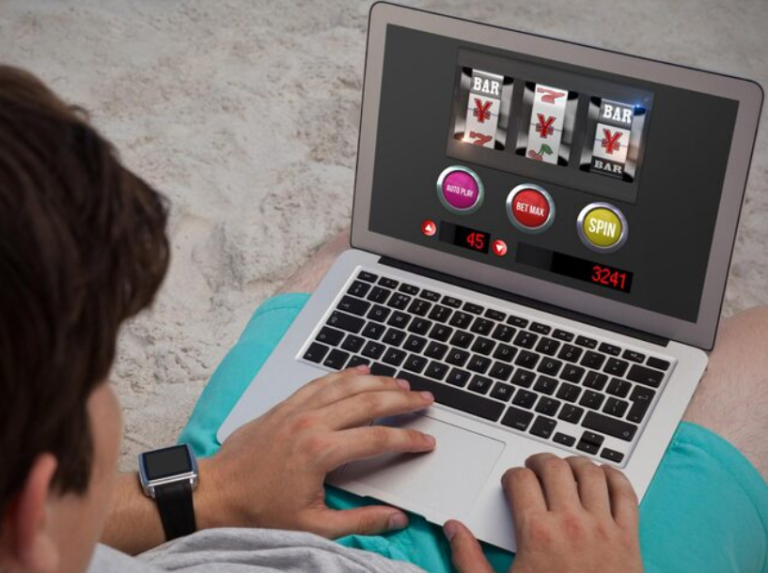
Monetization is often where mobile games lose players, but Asian developers have mastered the art of making spending feel optional rather than forced. Instead of aggressive paywalls, many games offer cosmetic upgrades, seasonal passes, and value-based microtransactions that enhance the experience without destroying balance. This approach addresses a key frustration gamers have faced for years—feeling pressured to pay just to stay competitive. Even genres involving chance and strategy, such as casual casino-style experiences, are carefully balanced so players feel entertained first and monetized second, which is why formats like slot game and qq poker game experiences continue to thrive without driving users away. When players feel respected, they’re far more willing to spend, and Asia’s mobile gaming industry has proven this repeatedly.
Esports on Mobile: Competition Goes Pocket-Sized
Esports was once dominated by PCs and consoles, but Asia flipped the script by turning mobile games into legitimate competitive platforms. Titles like PUBG Mobile, Arena of Valor, and Mobile Legends have built massive esports ecosystems complete with professional teams, sponsorships, and live-streamed tournaments watched by millions. This evolution solved a major pain point for aspiring esports players—the cost of entry—by allowing anyone with a smartphone to compete at a high level. Mobile esports also fit perfectly into Asia’s fast-paced lifestyle, offering short, intense matches that are easy to watch and play. The result is a generation of gamers who don’t see mobile gaming as “lesser,” but as the future of competitive play.
Localization: Speaking the Player’s Language
Another reason mobile gaming has exploded in Asia is the industry’s deep commitment to localization. Games aren’t just translated; they’re culturally adapted to reflect local stories, humor, festivals, and preferences. This approach removes the disconnect many players feel when games seem foreign or out of touch with their realities. From character designs inspired by local folklore to in-game events tied to regional holidays, localization makes players feel seen and valued. It also solves a long-standing pain point in global gaming—one-size-fits-all content—by proving that games perform better when they respect cultural nuance rather than ignoring it.
The Rise of Casual Real-Money and Skill-Based Games
Across parts of Asia, especially in emerging markets, there’s been a noticeable rise in games that blend entertainment with skill-based rewards. Players are drawn to experiences where strategy, timing, and decision-making matter, rather than pure luck. This trend responds to a critical pain point: gamers want their time to feel meaningful. Whether it’s competitive card formats, fantasy sports, or familiar digital recreations of traditional games, users enjoy the sense of progression and mastery. Within this space, responsibly designed slot game and poker qq game formats have gained traction by focusing on fair play, user education, and controlled experiences that feel more like strategic challenges than mindless spending traps.
Top Mobile Gaming Titles Dominating Asia
When it comes to top titles, Asia’s charts are consistently led by games that blend high-quality visuals, engaging mechanics, and strong community features. Genshin Impact redefined mobile RPG expectations with console-level graphics, while Honor of Kings continues to dominate China with its polished MOBA gameplay. PUBG Mobile remains a cultural phenomenon across South and Southeast Asia, and games like Free Fire thrive by being optimized for lower-end devices without sacrificing fun. These titles succeed because they understand their audience’s pain points—device limitations, network issues, and time constraints—and design experiences that work seamlessly despite those challenges.
Streaming and Influencers: Gaming as Entertainment
Mobile gaming in Asia isn’t just about playing; it’s also about watching. Streaming platforms like Douyu, Huya, Nimo TV, and YouTube Gaming have turned gamers into entertainers and influencers into powerful marketing channels. Watching skilled players or charismatic streamers solves a unique pain point for audiences who want to stay connected to gaming culture even when they can’t play themselves. This ecosystem also fuels discovery, as viewers are more likely to try games recommended by trusted personalities than traditional ads. The line between player and audience has blurred, creating a self-sustaining loop of engagement that keeps mobile gaming constantly in the spotlight.
Challenges the Industry Still Faces
Despite its success, mobile gaming in Asia isn’t without challenges. Concerns around screen time, addiction, data privacy, and fair monetization are increasingly shaping regulations across different countries. Developers must navigate diverse legal landscapes while maintaining player trust, which isn’t always easy. There’s also growing competition, making user acquisition more expensive and retention harder than ever. These pain points push the industry to innovate responsibly, focusing on healthier gaming habits, transparent systems, and long-term value rather than short-term profits.
What the Future Looks Like
The future of mobile gaming in Asia is poised to be even more immersive, social, and personalized. Advancements in 5G, cloud gaming, and AI-driven personalization will allow games to adapt in real time to player behavior and preferences. We’ll see deeper integrations with social platforms, more cross-platform play, and experiences that blur the line between gaming, entertainment, and digital communities. Most importantly, the industry will continue solving real-world pain points—accessibility, connection, and meaningful engagement—making mobile gaming not just bigger, but better.
Final Thoughts: Why Asia Will Continue to Lead
Mobile gaming in Asia isn’t a trend; it’s a blueprint for the future of global gaming. By understanding players deeply, respecting their time, and designing experiences that fit real lives, the region has created an ecosystem that feels alive, inclusive, and endlessly engaging. Whether you’re a casual player, a competitive gamer, or someone simply curious about where digital entertainment is headed, Asia’s mobile gaming landscape offers a clear answer: the future fits in your pocket, and it’s only getting started.