Agentic AI Is Reshaping Modern Technology and Business Innovation
The Emergence of Agentic AI in the Digital Era
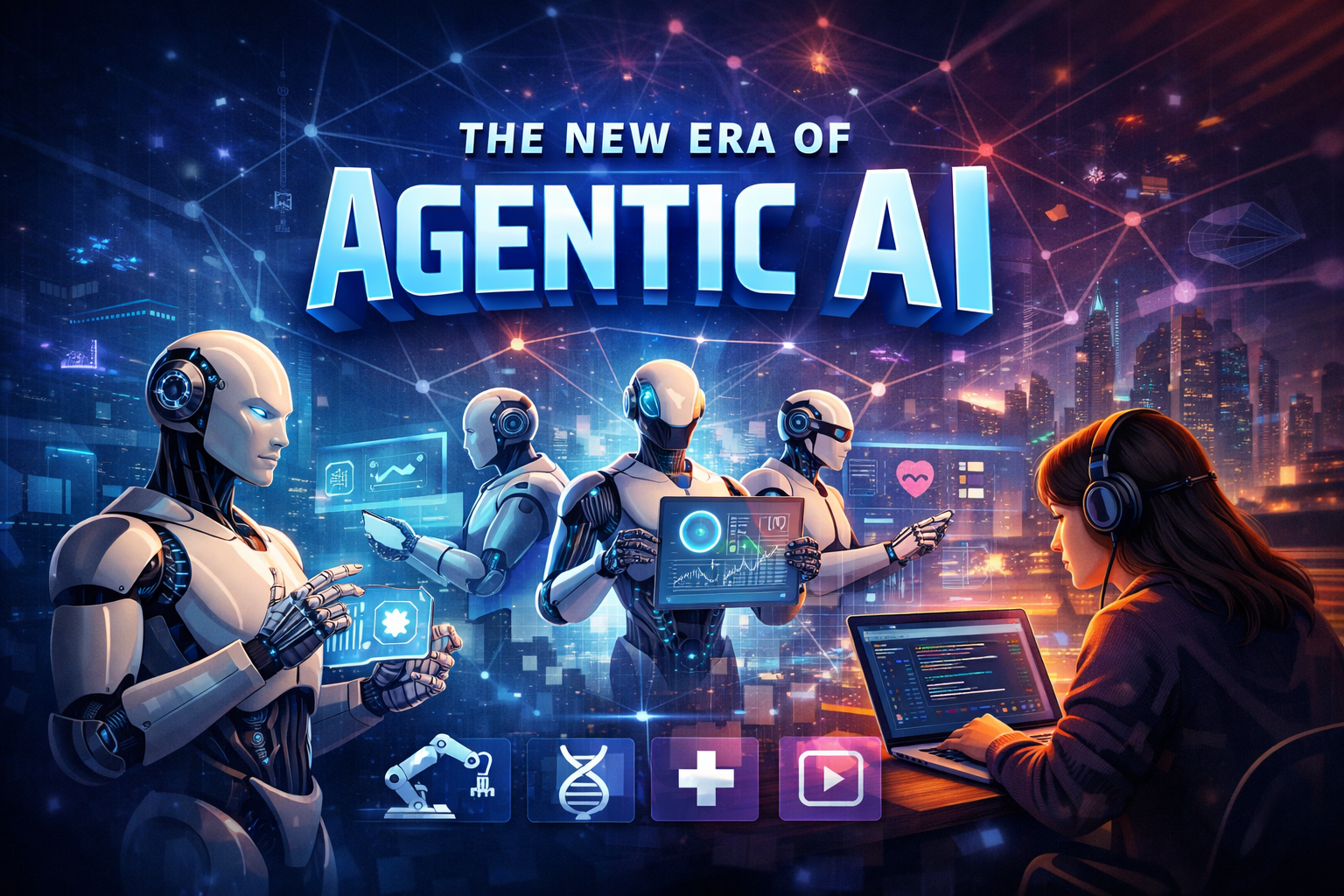
Technology continues to evolve at a remarkable pace, and Agentic AI has emerged as one of the most discussed developments in the industry. Unlike traditional artificial intelligence systems that respond to direct instructions, Agentic AI is designed to analyze objectives, make decisions, and execute tasks with limited human intervention. This capability is transforming how organizations approach productivity, automation, and strategic planning. Businesses across sectors are exploring ways to integrate intelligent agents into daily operations, allowing complex workflows to be managed with greater efficiency. From handling customer interactions to coordinating data-driven processes, these systems are redefining expectations surrounding digital assistance. As organizations seek more adaptive and responsive technologies, Agentic AI is becoming a significant force in shaping the next generation of intelligent solutions. Its growing presence reflects a broader shift toward autonomous systems capable of understanding context, prioritizing actions, and delivering meaningful outcomes in dynamic environments.TRANG CHỦ UU88
How Agentic AI Enhances Operational Intelligence
One of the defining characteristics of Agentic AI is its ability to function beyond simple task execution. These advanced systems can evaluate multiple variables, identify patterns, and determine suitable actions based on changing circumstances. Such capabilities enable organizations to streamline operations while reducing the burden of repetitive decision-making. In industries where large volumes of information require continuous analysis, intelligent agents provide a practical method for maintaining consistency and responsiveness. Supply chain management, software development, financial analysis, and customer service are among the areas benefiting from this technological advancement. By connecting data sources and interpreting information in real time, Agentic AI creates a more agile operational framework. The result is a technological ecosystem where processes become increasingly adaptive, allowing organizations to respond quickly to opportunities and challenges. This evolution demonstrates how intelligent automation is progressing from simple assistance toward a more strategic and autonomous role within modern enterprises.
Industry Applications Driving Widespread Adoption
The rapid adoption of Agentic AI is fueled by its versatility across numerous industries. In healthcare, intelligent systems assist with administrative coordination, appointment management, and information processing, helping professionals focus on patient care. Within the financial sector, autonomous agents support risk assessment, transaction monitoring, and market analysis. Retail organizations leverage these technologies to personalize customer experiences and optimize inventory management. Manufacturing environments also benefit from intelligent systems capable of monitoring production processes and identifying operational inefficiencies. Educational institutions are exploring AI-powered learning support tools that adapt to individual learning patterns and preferences. These examples highlight the broad applicability of Agentic AI across different sectors. As organizations continue searching for innovative ways to improve performance and customer engagement, autonomous intelligence is increasingly viewed as a valuable technological asset. Its ability to combine analytical capabilities with independent action makes it a compelling solution for addressing complex business requirements.Nạp Tiền UU88
Future Opportunities and Considerations for Agentic AI
The future of Agentic AI presents exciting possibilities alongside important considerations. As these systems become more sophisticated, their capacity to manage intricate tasks and collaborate across digital environments is expected to expand significantly. Emerging advancements in machine learning, natural language processing, and predictive analytics will likely enhance the effectiveness of autonomous agents even further. At the same time, discussions surrounding transparency, accountability, data governance, and ethical implementation remain essential. Organizations adopting these technologies must establish clear frameworks to ensure responsible usage and maintain trust among stakeholders. Balancing innovation with oversight will play a crucial role in the long-term success of Agentic AI initiatives. Continued investment in research and development is expected to accelerate progress, creating new opportunities for businesses and industries worldwide. The technology’s evolution suggests a future where intelligent agents become increasingly integrated into everyday operations, contributing to enhanced productivity and more informed decision-making.
Conclusion
Agentic AI represents a notable advancement in the ongoing evolution of intelligent technology. Its ability to analyze information, make decisions, and execute tasks with minimal supervision is creating new possibilities across industries. From improving operational efficiency to supporting strategic initiatives, the technology is influencing how organizations approach digital transformation. While future developments will introduce additional capabilities and considerations, Agentic AI continues to gain attention as a powerful component of modern innovation. As adoption grows, its role within business and technology ecosystems is expected to remain an important area of interest and development.