Pelvic Floor Exercises – When They Are Not Enough
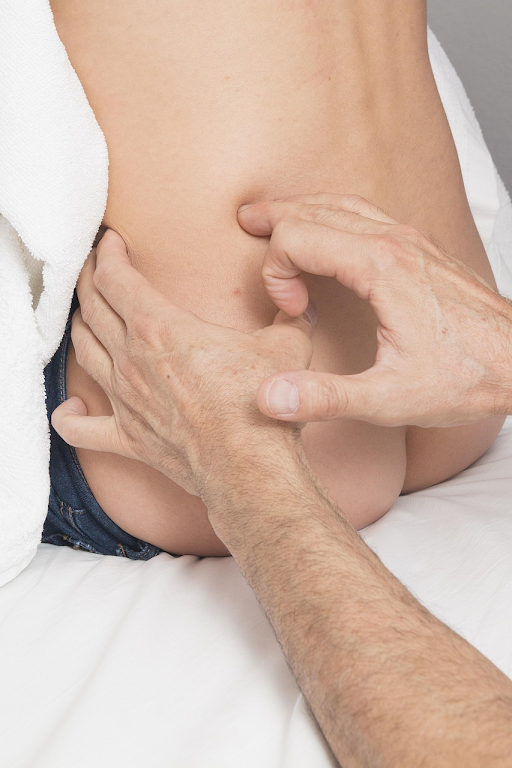
Pelvic floor exercises, often known as Kegel exercises, have gained global recognition for their role in maintaining bladder control, supporting pelvic organs, and enhancing sexual health. These small, often invisible movements can make a remarkable difference when practiced correctly and consistently. However, there are times when even the most diligent exercise routine does not bring the desired results. Understanding why this happens — and what additional measures can be taken — is key to restoring full pelvic health.
The pelvic floor is a complex structure made up of muscles, ligaments, and connective tissues that work together to support the bladder, uterus or prostate, and rectum. When functioning properly, it acts like a flexible yet stable hammock. But once the balance between tension and relaxation is lost, symptoms such as urinary leakage, pain, or a sensation of heaviness can appear.
Why Pelvic Floor Exercises Sometimes Fail to Deliver Results
Although pelvic floor exercises are widely recommended, they are not a one-size-fits-all solution. In some cases, the muscles may not respond well due to improper technique, underlying health conditions, or excessive tension rather than weakness.
Incorrect Technique
Many people believe they are performing Kegel exercises correctly when in fact they are tightening the wrong muscles. Instead of isolating the pelvic floor, they may engage the abdomen, thighs, or buttocks. This not only makes the exercise ineffective but can also create additional strain in the lower body. Without proper guidance from a physiotherapist, it’s easy to develop poor habits that fail to produce meaningful change.
Overactive Muscles
Contrary to popular belief, not all pelvic floor problems result from weakness. For some individuals — especially those with chronic stress, lower back pain, or past pelvic trauma — the muscles may already be overly tight. Strengthening them further without addressing this tension can worsen the symptoms, leading to pain or difficulty urinating.
Neurological and Structural Factors
In certain cases, the issue lies deeper than muscle performance. Nerve damage, previous surgeries, or hormonal changes may reduce muscle responsiveness. Structural problems, such as prolapse or scar tissue, can interfere with proper function, making simple exercise insufficient.
When Medical Guidance Becomes Essential
Pelvic floor dysfunction often requires a personalized approach guided by a specialist. Pelvic physiotherapists and urogynecologists have the tools to assess muscle strength, coordination, and relaxation through both internal and external evaluations.
During such assessments, they might use:
- Biofeedback equipment to measure muscle contractions and provide real-time visual feedback.
- Ultrasound imaging to visualize the pelvic floor in motion.
- Manual examination to detect trigger points, asymmetries, or weakness.
These assessments identify whether the problem stems from insufficient strength, excessive tension, or neurological dysfunction. Once the root cause is understood, the treatment plan can include tailored exercises, relaxation therapy, or medical intervention.
Recognizing the Signs That Exercises Alone Are Not Enough
There are several signs that indicate pelvic floor exercises might not be sufficient. Ignoring them can delay recovery or even worsen symptoms.
Common Red Flags:
- Persistent urinary or fecal leakage despite regular training.
- Pain in the pelvic area during or after exercises.
- A feeling of pressure, bulging, or heaviness in the lower abdomen.
- Difficulty emptying the bladder or bowel.
- Pain during sexual intercourse.
When these symptoms persist, it’s time to seek professional help rather than continue self-directed exercises. The sooner the issue is properly diagnosed, the faster it can be addressed through targeted treatment.
Alternative and Supportive Therapies for Pelvic Floor Dysfunction
1. Physiotherapy and Biofeedback
Modern pelvic health physiotherapy is far more advanced than a few decades ago. Therapists use biofeedback devices to help patients visualize their muscle activity on a screen, making it easier to learn how to contract and relax properly. This method is especially helpful for people who struggle to identify the correct muscles or coordinate them effectively.
2. Electrical Stimulation
In cases where the muscles are too weak to contract voluntarily, gentle electrical impulses can stimulate them. This technique reawakens nerve pathways and promotes muscle re-education. It is often used post-surgery or after childbirth to jump-start recovery.
3. Relaxation and Breathing Techniques
For those with hypertonic (overactive) pelvic muscles, relaxation is more beneficial than strengthening. Techniques such as diaphragmatic breathing, yoga-based stretches, and mindfulness help release unnecessary tension. Learning to exhale fully and let the pelvic floor relax can often bring greater improvement than forceful contractions.
4. Use of Smart Devices and Trainers
Technological innovation has introduced new tools that make pelvic floor training more accurate and engaging. Devices that measure muscle contraction strength, track progress, and guide users through customized exercise plans have proven effective. Many of these can be found through pelvic floor strengthening devices, offering support across Europe for both beginners and advanced users.
5. Manual Therapy and Myofascial Release
Some pelvic issues stem from deep muscle or connective tissue tension. Manual therapy focuses on releasing these restrictions through gentle internal or external manipulation. It can ease pain, restore muscle elasticity, and improve blood circulation in the pelvic region.
When Surgery or Medical Treatments Become Necessary
While most cases of pelvic floor dysfunction respond well to conservative treatments, there are situations where medical or surgical interventions may be required.
- Pelvic organ prolapse: When organs such as the bladder or uterus descend due to weakened support structures, surgery might be necessary to reposition them.
- Severe incontinence: If other treatments fail, procedures like urethral bulking or sling surgeries can restore bladder control.
- Post-prostate surgery complications in men: Targeted rehabilitation combined with medical treatment often brings better outcomes than exercises alone.
The decision for surgery is always individualized and should follow a thorough diagnostic process. Importantly, postoperative physiotherapy remains vital to prevent recurrence and ensure proper healing.
Emotional and Psychological Aspects of Pelvic Health
Pelvic floor dysfunction can affect not only physical comfort but also emotional well-being. Feelings of embarrassment, anxiety, or frustration are common. Women may withdraw from social or sexual activities, while men may struggle with self-esteem issues related to performance or control.
Acknowledging these emotions is crucial. Open discussions with healthcare providers, therapists, or support groups can help normalize the experience. Many people find that once they receive proper education and professional guidance, their confidence and quality of life dramatically improve.
Combining Methods for Lasting Results
The most effective approach to pelvic floor rehabilitation is a combination of strategies — strengthening, relaxation, posture correction, and lifestyle adjustments. A single method, even when diligently practiced, may not address the complexity of the problem.
A well-rounded plan might include:
- Personalized physiotherapy sessions.
- Guided home exercises with feedback devices.
- Nutritional changes to prevent constipation and reduce pressure on the pelvis.
- Awareness training for posture and breathing.
Success requires patience and commitment. Pelvic muscles, like any others, respond best to consistent, well-guided effort rather than occasional attempts.
The Broader Perspective on Pelvic Health
Pelvic health is an integral part of overall well-being. It influences posture, core stability, digestion, and even emotional resilience. When exercises alone don’t bring relief, it’s not a sign of failure — it’s a signal that the body needs a more comprehensive approach.
Modern medicine and physiotherapy now offer an impressive range of tools and therapies that complement traditional exercises. With the right combination of expertise, technology, and awareness, restoring pelvic balance and comfort is not only possible but achievable for everyone, regardless of age or gender.