Beyond the Chart: Navigating the Medical-Legal Frontier in 2026
There is a persistent myth in the healthcare industry that medical documentation is just “clerical work.” People think it’s a passive task of listening and typing. But in 2026, a single misplaced comma in a patient’s record isn’t just a medical error—it’s a legal liability. As healthcare becomes more litigious and data-driven, the people who bridge the gap between medicine and law are becoming the most valuable assets in the building.
I remember watching a small clinic in Mumbai struggle through a compliance audit last year. They had the best doctors, but their documentation was a mess. They didn’t need more MDs; they needed someone who understood the weight of a “medico-legal” record. Whether you are looking to start with an online medical transcription course or specialize further with medico legal courses in India, you are essentially training to be the guardian of a hospital’s reputation.
Why is an online medical transcription course still relevant in the age of AI?
While AI voice-to-text has become incredibly fast, it lacks the critical thinking required for 100% accuracy in complex clinical settings. An online medical transcription course in 2026 teaches you to be the “Human-in-the-loop,” auditing AI-generated drafts for nuance, terminology, and context that software often misses. It’s no longer about typing speed; it’s about specialized data integrity.
We’ve moved past the days of “transcribing” from scratch. Today, we “edit for life.” If an AI mishears “hypertension” as “hypotension,” the results are catastrophic. By taking a modern course, you learn the specific medical linguistic patterns that allow you to spot these errors instantly. At gihsonline, we focus on this hybrid model: using technology to do the heavy lifting while you provide the essential human oversight.
So what? For you, this means job security. Companies aren’t looking for typists; they are looking for “Documentation Specialists” who can navigate electronic health records (EHR) with expert precision.
How do medico legal courses in India protect healthcare professionals?
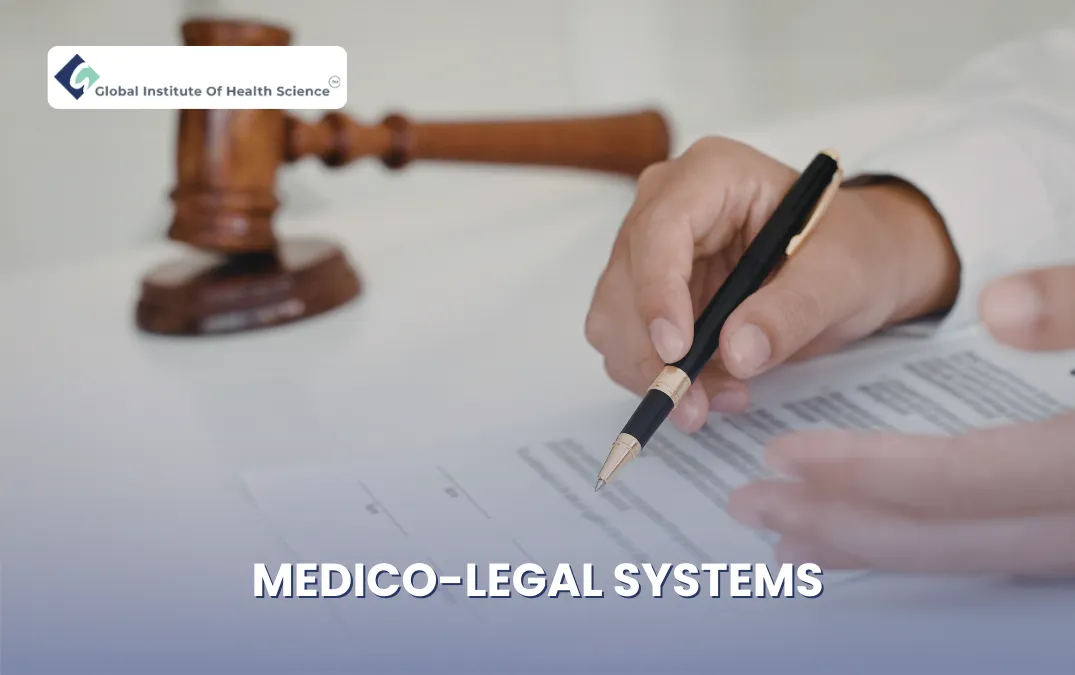
These courses provide the legal framework necessary to handle patient disputes, insurance claims, and clinical negligence cases. Medico legal courses in India specifically cover the nuances of the Consumer Protection Act and the National Medical Commission (NMC) guidelines. They empower professionals to ensure that every medical action is documented in a way that stands up in a court of law.
Last May, I sat in on a seminar where a hospital administrator explained how a single properly documented consent form saved them from a multi-crore lawsuit. That level of protection doesn’t happen by accident. It happens because someone on the team knew the “legal” side of the “medical” chart. In India’s evolving legal landscape, having this certification on your resume makes you a shield for your employer.
This isn’t just a certificate; it’s a career upgrade. It moves you from a back-office role into a strategic position where you advise on risk management and ethics.
What are the key differences between Transcription and Medico-Legal roles?
While both involve medical documentation, they serve different masters. Transcription is about the accuracy of the clinical record, ensuring the doctor’s intent is captured perfectly. Medico-legal work is about the validity and consequence of that record, ensuring it meets every statutory requirement and protects both the patient and the provider.
|
Feature |
Medical Transcription |
Medico-Legal Specialist |
|
Primary Goal |
Clinical Accuracy |
Legal & Ethical Compliance |
|
Daily Task |
Converting & Auditing Medical Audio |
Analyzing Records for Legal Risk |
|
Core Skill |
Medical Terminology & Speed |
Law, Ethics, & Dispute Resolution |
|
Career Path |
Documentation Lead / Quality Assurance |
Risk Manager / Legal Consultant |
Understanding this distinction helps you choose the right starting point. If you love the science of language, go for transcription. If you love the “why” and the rules behind the scenes, the legal route is your best bet.
Why is the “Human-First” approach essential in 2026 documentation?
Despite the efficiency of 2026’s Generative AI, it cannot feel the “gravity” of a situation. A “Human-First” approach to documentation means understanding the patient’s journey behind the data points. Whether you are a transcriptionist or a legal consultant, you are handling a person’s story. Maintaining that human connection ensures that the documentation is empathetic, not just “compliant.”
We have seen a trend where “pure-AI” hospitals are actually seeing a rise in patient complaints. Why? Because the notes feel cold and robotic. By injecting human judgment into the process something taught in every online medical transcription course you ensure that the “voice” of the patient isn’t lost in a sea of code.
So what? In a world of automation, your human judgment is your most marketable skill. Being the person who can explain the context behind the text makes you irreplaceable.
People Also Ask (FAQ)
1. Can I work from home after an online medical transcription course?
Absolutely. In 2026, over 70% of transcription and documentation auditing is done remotely. Most hospitals and service providers prefer the flexibility of a distributed workforce.
2. Are medico legal courses in India only for lawyers?
Not at all. These courses are primarily designed for doctors, nurses, and hospital administrators who need to understand the legalities of their daily work to avoid litigation.
3. What is the salary range for a Medico-Legal consultant?
In India, specialists with a dual understanding of medicine and law can command significantly higher salaries than general administrators, often starting at ₹6-8 LPA and scaling rapidly with experience.
4. How long does it take to complete these certifications at gihsonline?
Most students complete our foundational courses within 4 to 6 months, making it an ideal timeline for those looking to pivot their careers without taking a long break.
5. Does transcription help in moving into a medico-legal role later?
Yes. Transcription gives you an elite understanding of medical terminology and record-keeping, which is the perfect foundation for advanced legal studies in the healthcare sector.
Step Into the Future of Healthcare
The “back office” of medicine is now the “front line” of hospital safety. Whether you want to master the art of the clinical record or navigate the complexities of healthcare law, your journey starts with specialized education.
Ready to become the expert your hospital needs? Leave a comment below with your questions or explore our full course catalog to find your perfect fit!