Tangem Wallet vs Traditional Hardware Wallets: Which Is More Secure?
In the world of cryptocurrencies, security is everything. When you lose command of your own keys, you forever give up your possessions. Hardware wallets offer cryptocurrency investors the most secure offline storage of digital assets. The Tangem Wallet among these has attracted interest as a modern, card-based replacement for traditional hardware wallets such Ledger, Trezor, or KeepKey. Many users, though, question which one is actually safer: conventional hardware wallets or Tangem Wallet?
This manual examines Tangem Wallet’s security, utility, and practicality in comparison to traditional wallets in order to help both beginner and experienced users make an informed choice.
What Is Tangem Wallet?
Tangem Wallet Technology Overview
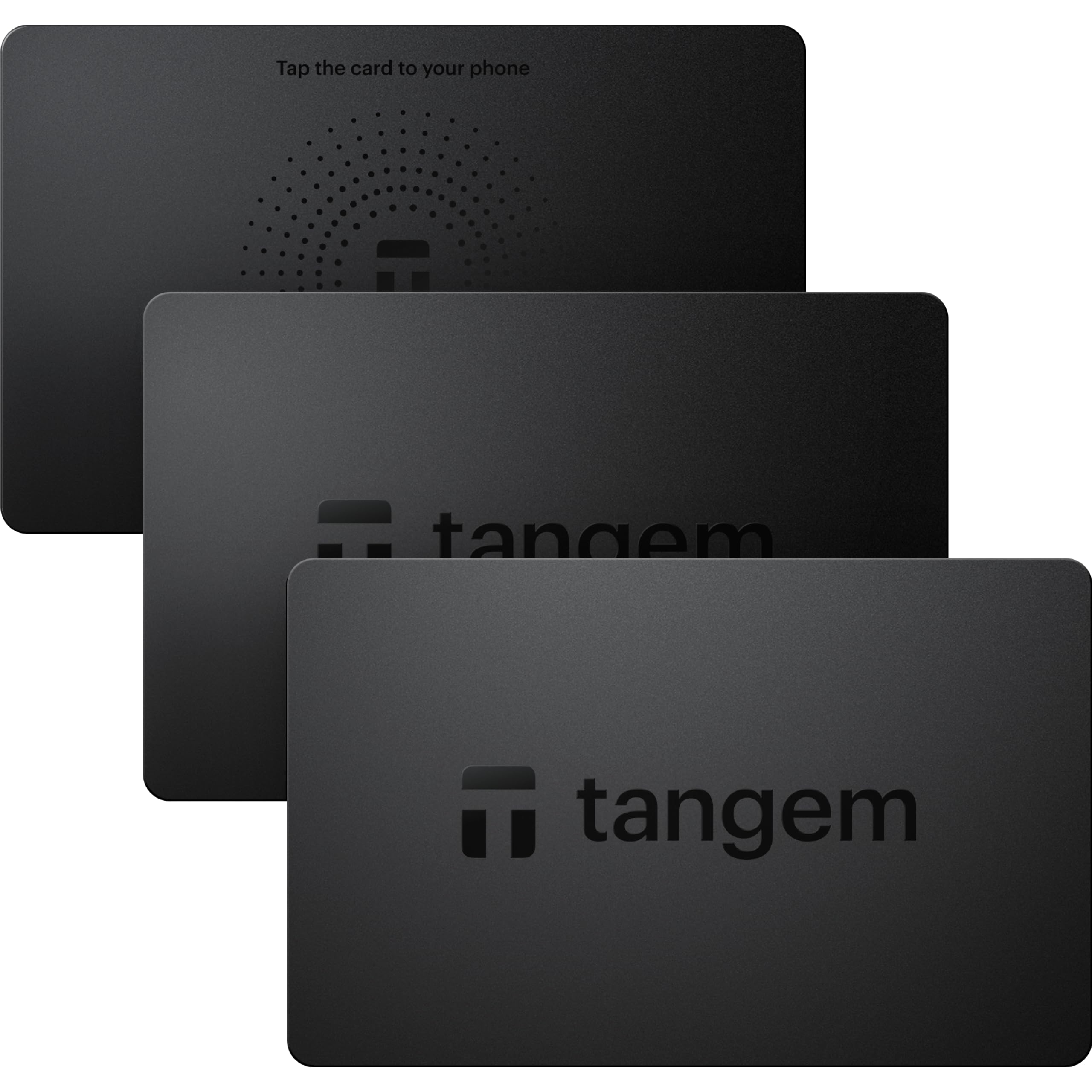
Meant for security and simplicity, Tangem Wallet is a hardware wallet relying on smartcards. Unlike traditional gadgets with USB ports, displays, and batteries, Tangem Wallet links to smartphones via Near Field Communication (NFC). Every private key is produced offline within a protected chip; thus, they never connect with the internet or your smartphone. This offline-first approach greatly reduces the attack surface for cybercriminals.
Perfect for portable, easy-to–use wallet called Tangem Wallet, which gets rid of technical skill demand. Its architecture suits anyone seeking an easy means to safeguard crypto assets without dealing with challenging recovery methods or seed phrases.
Key Security Features of Tangem Wallet
-
Among the major security benefits of Tangem Wallet include:
-
One of the best levels of certification for cryptographic hardware, EAL6+ certified secure element is resistant to physical assaults like fault injection, microprobing, and tampering.
-
Optional backup cards hold the same private keys without need of handwritten recovery phrases, therefore reducing theft danger and human error.
-
Combining biometric and device authentication with a smartphone allows transactions to be protected with Face ID or fingerprint identification, therefore establishing a multi-layered security system.
Who Typically Uses Tangem Wallet
Appeals of Tangem Wallet:
-
Start-ups who like a simple, low-risk configuration.
-
Long-term owners (HODLers) seeking secure cold storage.
-
Portability and simplicity are sought by mobile-first customers.
Its simplicity makes Tangem Wallet particularly well suited for people who appreciate security but would rather avoid the technical complexity of traditional wallets.
What Are Traditional Hardware Wallets?
Overview of Popular Wallets
USB or Bluetooth-enabled devices with built-in screens, conventional hardware wallets include Ledger, Trezor, and KeepKey. These technologies enable users to sign transactions, verify addresses straight on the device, and safely produce and store secret keys offline. Unlike Tangem Wallet, they are intended for those who need fine control over their crypto assets, so they depend on more sophisticated hardware and software interfaces.
Security Options in Traditional Wallets
Important safety characteristics consist of:
A human-readable phrase lets assets be recovered if the wallet is lost or broken.
PIN security guarantees that unauthorized users cannot directly access the gadget.
Like bank-grade security gear, private keys are stored offline inside tamper-resistant chips.
Typical User Foundation
Many prefer traditional hardware wallets as:
Experienced crypto users handling several assets.
Merchants needing strict regulation of their wallets.
Users who are at ease with technical security measures and recovery phrases.
Traditional wallets call for a greater degree of user interaction and diligent management of recovery phrases even if they give strong security capabilities.
Comparing Security: Tangem Wallet vs Traditional Hardware Wallets
Private Key Storage and Isolation
Tangem Wallet stores private keys entirely inside the card’s secure element, never exposing them to connected devices. Traditional wallets also store keys offline, but during setup, seed phrases are displayed, creating a momentary vulnerability if a device is compromised. Tangem’s card-based design minimizes human error and device exposure.
Seed Phrase vs Seedless Backup
For recovery, conventional wallets use seed words. Though successful, these words are vulnerable to loss, robbery, or social engineering attacks. This is changed by Tangem Wallet to optional backup cards that safely mirror the private key without divulging any sensitive data, so replacing the seedless backup mechanism. For newbies who might mishandle recovery terminology, this technique helps to considerably lower risk.
Against Physical Assault Defense
Although both Tangem and conventional hardware wallets use tamper-resistant chips, Tangem Wallet‘s EAL6+ certification offers very great physical intrusion defense, even fault injection and side-channel attacks. Although conventional wallets include secure elements too, their bigger size, USB ports, and outer screens slightly expand the attack surface.
Protection Against Cyber Risks
Reducing the chance of remote or malware attacks, Tangem Wallet employs encrypted NFC communication over very small distances. Traditional wallets sometimes use USB or Bluetooth, which may be vulnerable to keyloggers or tainted PCs. Though both are safe, Tangem Wallet‘s mobile-first philosophy provides ease without exposing keys to maybe compromised systems.
Convenience and security compromises
Simplicity is top priority at Tangem Wallet; tap to sign; no seed phrases; mobile app interface. Though they call for technical ability and cautious management of recovery phrases, conventional wallets provide greater control, sophisticated capabilities, and multi-wallet management. While the complexity can cause user mistakes, traditional wallets have strong security.
Ease of Use and Security Trade-offs
Tangem Wallet prioritizes simplicity: tap to sign, no seed phrases, mobile app interface. Traditional wallets offer more control, advanced features, and multi-wallet management but require technical knowledge and careful handling of recovery phrases. Security in traditional wallets is robust, but the complexity can lead to user errors.
Practical Scenarios: Which Wallet Is Safer?
Travel and Mobile Use
Travelers will see great utility in Tangem Wallet’s NFC feature and small card. Handling no cords, no screens, and no batteries is quite challenging. It can be hidden to lower the chance of larceny. Travel exposes and enlarges traditional wallets.
Management of several assets
Both wallet kinds allow for several cryptocurrencies. Active investors would be drawn to the support conventional wallets offer for complex portfolio management and blockchain interfaces. For customers searching for simplicity rather than complicated capabilities, Tangem Wallet provides secure management for major cryptocurrencies and tokens.
Prolonged cold storage
The Tangem Wallet’s durability, tamper resistance, and seedless backup system lessen the possibility of loss or larceny for cold storage. Seed words help to restore traditional wallets; if not kept safely, they might constitute a debt. Both can be quite safe if correct techniques are used.
Pros and Cons Summary
Tangem Wallet
-
Pros:
-
Seedless and easy to use
-
Highly portable
-
EAL6+ secure element
-
Minimal user error risk
-
-
Cons:
-
Less control for advanced users
-
Fewer advanced features for traders
-
Traditional Hardware Wallets
-
Pros:
-
Full control over assets
-
Advanced features and multi-wallet management
-
Screen verification for transactions
-
-
Cons:
-
Seed phrase risk
-
Steeper learning curve
-
Exposure via USB or Bluetooth
-
Expert Recommendations
For Beginners
Newcomers will find Tangem Wallet appealing for its simplicity, seedless backup mechanism, and mobile-first approach. For people not knowledgeable about cryptocurrency security best practices as well, less human error makes it very safe.
For Advanced Consumers
For experienced users who want fine-grained control over transactions, several wallets, and integration with several blockchain applications, classic hardware wallets may be better suited.
Combining Wallets
Usually the safest approach is one with layers: for long-term cold storage use Tangem Wallet; for aggressive trade, employ a classic hardware wallet. This strategy minimizes flaws while maximizing the benefits of both answers.
Conclusion: Tangem Wallet vs Traditional Hardware Wallets – Security Verdict
Both Tangem Wallet and conventional hardware wallets offer first–rate bitcoin storage security. Newcomers and mobile users have a safer, easier choice thanks to Tangem Wallet’s seedless architecture, EAL6+ secure element, and mobile-friendly NFC connection. Though connected devices and careful seed word administration are needed, classic wallets stand out in their adaptability, sophisticated capabilities, and full control.
Your level of technical skill, intended purpose, and comfort will ultimately determine the best wallet. Beginners and HODLers might find Tangem Wallet the most secure and practical even if experienced traders would favor conventional hardware wallets. Whatever you decide, excellent security measures—backup cards, tight device security, and cautions against phishing—are still essential.
Modern security is defined by elegant design, simplicity, and excellent security in one sophisticated card—not complexity—as Tangem Wallet illustrates.