What Businesses Should Know About Shipping From China To USA
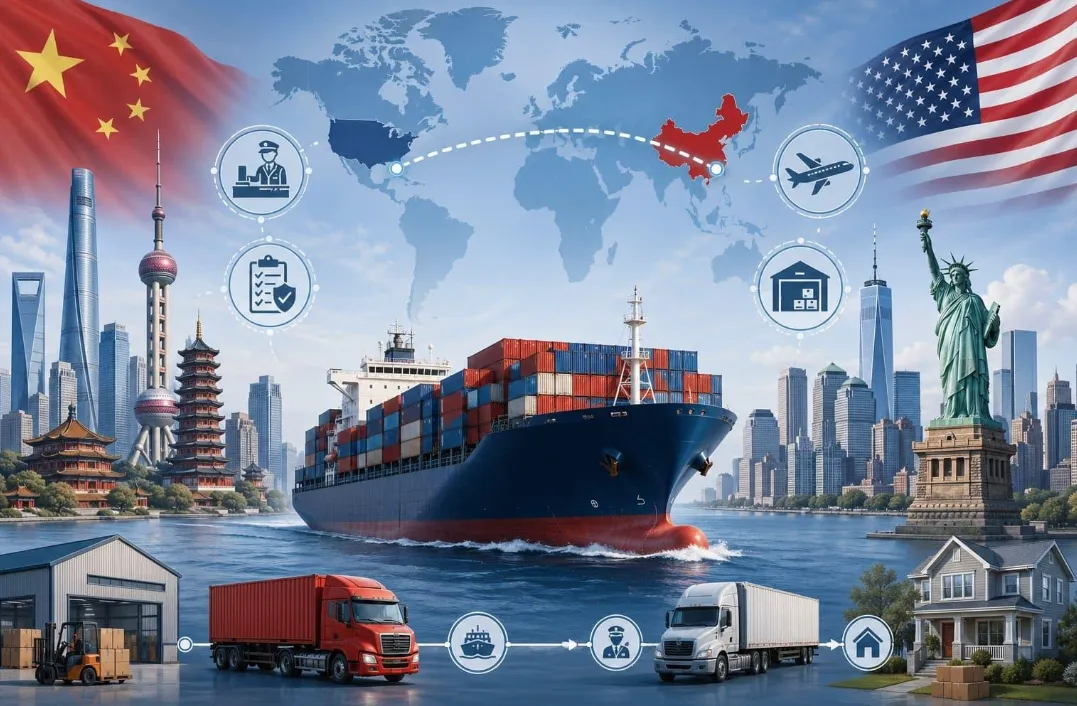
China remains one of the world’s leading manufacturing hubs, making it a primary sourcing destination for businesses across the United States. However, successful importing involves more than finding reliable suppliers. Understanding shipping methods, customs requirements, freight costs, and logistics planning can help businesses reduce delays, manage expenses, and maintain a stable supply chain. This guide highlights the key considerations every importer should know before Shipping From China To The USA.
Why China Continues to Be a Leading Sourcing Destination
Despite changes in global trade, China continues to play a vital role in international manufacturing. Its extensive industrial infrastructure, experienced suppliers, and well-developed export network enable businesses to source products across a wide range of industries.
Common imports include:
- Consumer electronics
- Home and kitchen products
- Apparel and textiles
- Furniture
- Industrial machinery
- Automotive parts
- Sporting goods
- Packaging materials
For many importers, competitive manufacturing costs remain important, but reliable logistics have become equally critical.
Choose the Right Shipping Method
One of the first decisions importers face is selecting the most appropriate shipping method. The best option depends on cargo volume, budget, and delivery deadlines.
Ocean Freight
Ocean freight is typically the most economical choice for large shipments.
It is well suited for:
- Full Container Load (FCL) shipments
- Less than Container Load (LCL) cargo
- Bulk inventory replenishment
- Heavy or oversized goods
Although transit usually takes several weeks, the lower transportation cost makes ocean freight attractive for planned inventory purchases.
Air Freight
Air freight offers a balance between speed and cost.
Businesses often choose air transportation for:
- Medium-sized commercial shipments
- High-value products
- Seasonal inventory
- Time-sensitive orders
While more expensive than ocean freight, air freight significantly shortens transit times.
Express Shipping
For urgent deliveries, international express shipping provides the fastest solution.
Express courier services are commonly used for:
- Product samples
- Small packages
- Replacement parts
- Emergency inventory
- Business documents
Major carriers such as DHL, UPS, and FedEx typically offer door-to-door delivery with comprehensive shipment tracking.
Understand the Factors That Affect Shipping Costs
Shipping costs involve more than freight charges alone.
Several variables influence the final transportation expense, including:
| Cost Factor | Impact on Shipping |
|---|---|
| Shipping method | Air freight costs more than ocean freight |
| Cargo weight | Heavier shipments increase transportation costs |
| Package dimensions | Large parcels may incur dimensional pricing |
| Shipping destination | Remote locations may involve additional charges |
| Fuel surcharges | Fluctuate with energy markets |
| Customs duties and taxes | Depend on product classification and import regulations |
Understanding these factors helps businesses estimate total landed costs more accurately.
Prepare Accurate Shipping Documents
Documentation errors are among the most common causes of customs delays.
Every commercial shipment should include:
- Commercial invoice
- Packing list
- Product descriptions
- Declared values
- Country of origin
- Harmonized System (HS) codes where required
Product descriptions should be detailed and specific.
For example, “stainless steel kitchen utensils” provides far more useful information than simply listing “household products.”
Accurate paperwork helps customs authorities process shipments efficiently while reducing the likelihood of inspections.
Understand Incoterms Before Shipping
Incoterms define the responsibilities of buyers and sellers during international trade.
Common shipping terms include:
EXW (Ex Works)
The buyer assumes responsibility once goods are collected from the supplier’s premises.
FOB (Free on Board)
The seller is responsible until the cargo is loaded onto the vessel at the port of origin.
CIF (Cost, Insurance and Freight)
The seller arranges transportation and insurance to the destination port.
DDP (Delivered Duty Paid)
The seller or logistics provider manages transportation, customs clearance, duties, and final delivery.
Choosing the appropriate Incoterm can simplify logistics planning and reduce misunderstandings between trading partners.
Plan Inventory Around Transit Times
Many shipping delays are not caused by transportation problems but by unrealistic inventory planning.
Businesses should account for:
- Production lead time
- Export documentation
- Port handling
- Customs clearance
- Domestic transportation
- Seasonal demand
Peak shipping periods, including Chinese New Year, Black Friday, and the holiday season, often result in longer transit times due to increased shipping volumes.
Building additional lead time into purchasing schedules can help prevent stock shortages.
Consider Cargo Protection and Insurance
International shipments travel through multiple handling points before reaching their destination.
Although carriers take precautions, risks such as weather events, handling damage, and unexpected disruptions cannot be completely eliminated.
Cargo insurance provides additional financial protection, particularly for:
- High-value goods
- Fragile products
- Electronic equipment
- Commercial inventory
Businesses should understand the extent of carrier liability and determine whether additional cargo insurance is appropriate.
Work With an Experienced Freight Forwarder
Managing international logistics independently can be challenging, particularly for businesses new to importing.
Freight forwarders coordinate many aspects of the shipping process, including:
- Carrier selection
- Transportation booking
- Export documentation
- Customs coordination
- Cargo tracking
- Delivery scheduling
For example, logistics providers such as Gorto Freight support businesses by offering ocean freight, air freight, express shipping, and warehouse consolidation services. Access to multiple transportation options allows importers to choose solutions that align with shipment size, urgency, and budget rather than relying on a single shipping method.
Track Shipments and Maintain Communication
Shipment visibility has become an essential part of supply chain management.
Real-time tracking allows businesses to monitor:
- Cargo pickup
- Export clearance
- Vessel or flight departures
- Customs processing
- Final delivery
Maintaining communication with suppliers, freight forwarders, and customers enables businesses to respond quickly if unexpected delays occur.
Conclusion
Successful Shipping From China To The USA involves far more than arranging transportation. Businesses should evaluate shipping methods, understand Incoterms, prepare accurate customs documentation, estimate total landed costs, and plan inventory well in advance.
Companies that combine careful logistics planning with experienced freight support are generally better positioned to reduce shipping risks, improve delivery reliability, and maintain efficient international supply chains. As global trade continues to evolve, informed shipping decisions remain a valuable competitive advantage for businesses of all sizes.