Understanding Abortion Pills Side Effects: What Women Should Know

Many women are concerned about the side effects of abortion pills when considering medical abortion. Understanding potential reactions, safety precautions, and how these medications work can help individuals make informed decisions about their reproductive health.
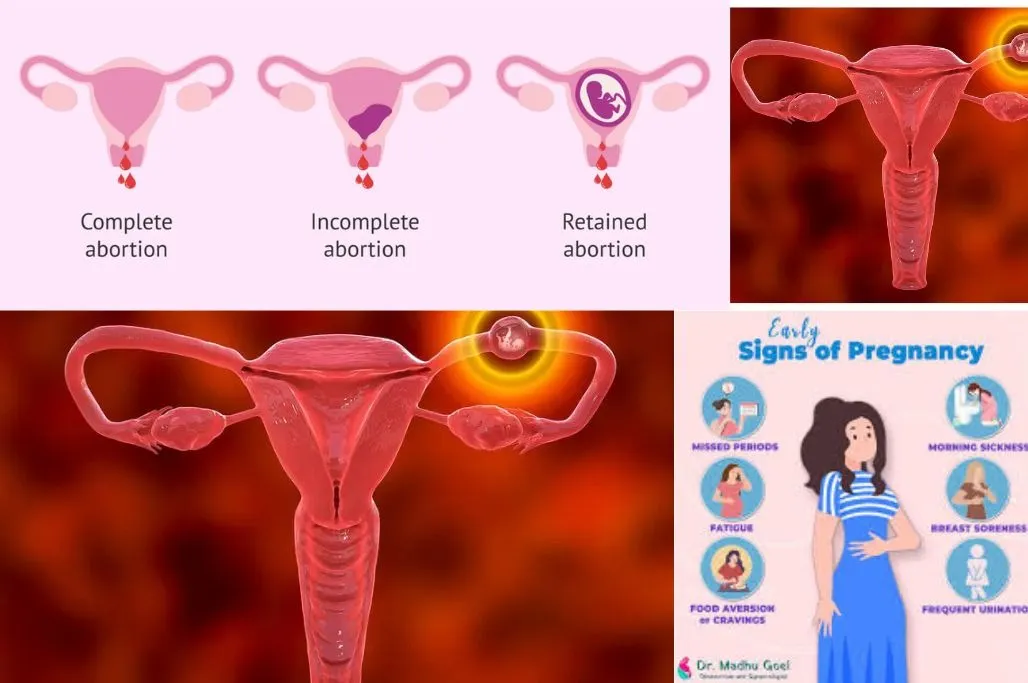
Readers learning about side effects sometimes search for abortion medication in Jeddah to get reliable guidance on usage and safety.
What Are Abortion Pills?
Abortion pills are medications used to terminate an early pregnancy without surgery. The most common pills include misoprostol tablets and mifepristone. These medications are considered medical abortion pills and are highly effective when used under proper medical supervision.
- Misoprostol tablets: Cause the uterus to contract and expel pregnancy tissue.
- Mifepristone: Blocks progesterone, preventing the pregnancy from continuing.
Together, these pills form a safe, non-surgical method for early pregnancy termination.
Common Side Effects of Abortion Pills
Although generally safe, abortion pills can cause temporary side effects. Common reactions include:
- Abdominal cramping and pain
- Vaginal bleeding or spotting
- Nausea or vomiting
- Fatigue and dizziness
- Fever or chills for a short period
These symptoms usually indicate that the medication is working. While most side effects are mild, severe pain, heavy bleeding, or prolonged fever should be addressed by a healthcare provider immediately.
Understanding Misoprostol Tablets Side Effects
Misoprostol tablets are widely used as part of medical abortion. Their side effects are similar to those listed above, with cramping and heavy bleeding being the most common. Some women may also experience diarrhea, headaches, or mild fever during the process.
Following professional medical guidance ensures that side effects are manageable and the process is completed safely.
Safety Considerations and Abortion Medication
Using abortion medication safely requires attention to dosage, timing, and personal health conditions. Healthcare professionals can:
- Confirm gestational age
- Recommend proper dosage for medical abortion pills
- Identify risks for women with health conditions
- Advise on what to expect during and after the process
Medical guidance ensures that the procedure is both safe and effective, reducing the likelihood of complications.
Pregnancy Termination Tablets: What to Expect
Pregnancy termination tablets are designed for early-stage pregnancies, usually within the first 9–10 weeks. Women may experience:
- Heavier bleeding than a regular period
- Intense uterine cramps
- Mood changes or emotional reactions
These effects are a normal part of the process, but ongoing discomfort or unusual symptoms should prompt medical consultation.
Abortion Safety Tips
Women considering abortion pills should follow these safety guidelines:
- Consult a licensed healthcare provider before starting medication.
- Confirm the stage of pregnancy and suitability of medical abortion.
- Follow dosage instructions exactly as prescribed.
- Monitor for side effects and seek help if severe symptoms occur.
- Keep follow-up appointments to ensure the process is complete.
Adhering to these steps helps ensure a safe and effective medical abortion.
Why Women Research Side Effects
Many women want to understand abortion pills side effects before making a decision. Knowledge reduces anxiety, allows for preparation, and ensures safer management of the process.
Reliable information helps women avoid misinformation, understand what is normal during a medical abortion, and know when to seek medical care. This is why resources like guide to abortion pills in Saudi Arabia are valuable for guidance.
Final Thoughts
Understanding the potential side effects of abortion pills, how misoprostol tablets work, and following medical abortion pill guidance is essential for safe early pregnancy termination. With professional support and accurate information, women can navigate the process safely, manage side effects, and make informed decisions about their reproductive health.
Abortion safety is key, and consulting a healthcare provider ensures that medical abortion is both effective and properly monitored.