Canada Cannabis Market: Key Statistics You Should Know
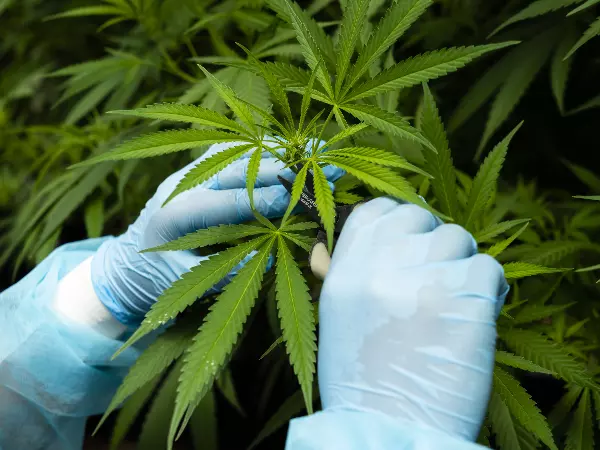
Canada made history on October 17, 2018, when it became the second country in the world to fully legalize recreational cannabis at the federal level under the Cannabis Act. Since then, the canada cannabis industry has grown into one of the most closely watched legal markets on the planet, attracting consumers, investors, and researchers alike. The numbers tell a compelling story—one of rapid expansion, shifting consumer habits, and a market that continues to mature year after year.
How Large Is the Canadian Cannabis Market?
The scale of Canada’s legal cannabis sector is difficult to overstate. According to Statistics Canada, legal cannabis retail sales surpassed $4.6 billion CAD in 2022 alone, representing a significant year-over-year increase from the $3.9 billion reported in 2021. By mid-2023, cumulative legal sales since legalization had crossed the $18 billion CAD mark.
These figures reflect a market that has steadily displaced illicit sources. Health Canada reported that the proportion of cannabis users purchasing exclusively from legal sources rose from roughly 23% in 2018 to over 60% by 2023—a clear sign that legal retail is winning consumer trust.
Who Is Buying Cannabis in Canada?
Consumer data from the Canadian Cannabis Survey (CCS) reveals several consistent trends:
Age: Adults between 20 and 24 years old report the highest rates of past-year cannabis use, at approximately 47%.
Gender: Male consumers continue to outpace female consumers in frequency of use, though the gap has narrowed considerably since 2019.
Purpose: Roughly 49% of consumers report using cannabis for both recreational and medical purposes, while approximately 37% use it recreationally only.
Frequency: About 30% of cannabis users report consuming daily or near-daily, indicating a strong base of regular buyers.
Product Preferences Are Shifting
Dried flower remains the most popular product category, accounting for the majority of retail sales by volume. However, concentrates, edibles, and vape products have grown their market share significantly since the launch of “Cannabis 2.0” regulations in late 2019.
According to Health Canada’s market data:
Edibles sales grew by over 40% between 2021 and 2022
Vape cartridges and disposable vapes represent one of the fastest-growing segments in the market
Concentrates such as budder, shatter, and live resin continue to attract experienced consumers seeking higher potency options
This shift toward diverse product formats has pushed retailers to expand their catalogs beyond flower alone.
The Retail Landscape Across Provinces
As of 2026, Canada has over 3,800 licensed cannabis retail locations operating across the country. Ontario leads all provinces with more than 1,800 stores, followed by Alberta and British Columbia.
Online cannabis retail has also grown substantially. Mail-order purchases now represent a meaningful share of total transactions, offering consumers access to a wider product selection, competitive pricing, and the convenience of home delivery—particularly relevant for buyers in regions with fewer physical store locations.
What Does This Mean for Cannabis Buyers?
The data points to a consumer base that is more informed, more discerning, and more value-conscious than ever before. Price sensitivity remains a key factor, with many buyers actively seeking bulk purchasing options to reduce per-gram costs without sacrificing quality.
Bulk purchasing platforms have emerged as a direct response to this demand. Buying in larger quantities—whether ounces, quarter pounds, or more—can reduce costs significantly. Mix-and-match promotions, tiered discounts, and loyalty programs have become standard tools for attracting repeat buyers in a competitive market.
The Road Ahead for Canada’s Cannabis Sector
Canada’s legal cannabis market is not slowing down. Analysts project continued growth through 2026 and beyond, driven by product innovation, increased legal compliance among consumers, and expanding international export opportunities.
For everyday consumers, the practical takeaway is straightforward: the legal market now offers more choice, better quality, and more accessible pricing than at any point since legalization. Understanding where and how to shop—whether for craft flower, concentrates, or edibles—puts buyers in the best position to get genuine value from one of the most developed cannabis markets in the world.