Technology and the Future of Healthcare
Technology has revolutionized the healthcare sector and continues to improve the quality of medical services around the world. Modern healthcare systems rely on advanced technologies to diagnose diseases, monitor patients, perform surgeries, and manage medical records. These innovations have increased the efficiency of healthcare providers and improved patient outcomes. As technology continues to evolve, its role in healthcare is expected to become even more significant.
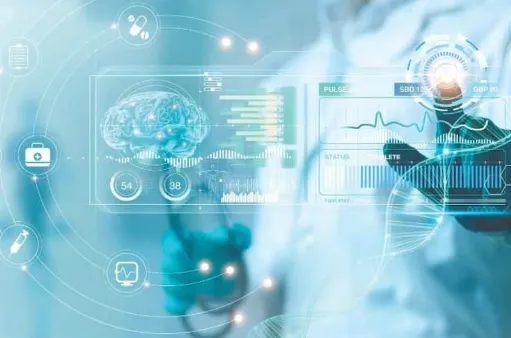
One of the most important contributions of technology to healthcare is the improvement of disease diagnosis. Advanced medical equipment such as MRI scanners, CT scanners, ultrasound machines, and laboratory analyzers enable doctors to identify diseases accurately and at an early stage. Early diagnosis increases the chances of successful treatment and reduces healthcare costs.
Technology has also enhanced patient care through telemedicine and remote monitoring systems. Patients can now consult healthcare professionals through video calls and online platforms without visiting hospitals physically. Wearable devices and health-monitoring gadgets allow doctors to track patients’ vital signs in real time, helping them provide timely medical interventions when necessary.
Another major advancement is the use of electronic health records. Digital record-keeping systems allow healthcare providers to store, dự báo thời tiết hôm , and share patient information securely and efficiently. This reduces paperwork, improves communication among medical professionals, and minimizes the risk of medical errors.
Artificial intelligence is becoming increasingly important in modern healthcare. AI-powered systems can analyze large amounts of medical data, assist in disease prediction, support diagnostic processes, and recommend treatment options. These technologies help healthcare professionals make more informed decisions and improve overall service quality.
Robotic technology has also transformed surgical procedures. Robotic-assisted surgeries offer greater precision, smaller incisions, reduced pain, and faster recovery times for patients. These innovations have improved surgical outcomes and expanded the possibilities of complex medical procedures.
Despite its many benefits, healthcare technology faces challenges such as high implementation costs, cybersecurity thời tiết bắc ninh , data privacy concerns, and the need for specialized training. Healthcare organizations must address these issues to ensure that technological advancements are used safely and effectively.
In conclusion, technology is shaping the future of healthcare by improving diagnosis, treatment, patient care, medical record management, and surgical procedures. Its continued development promises better healthcare services, increased accessibility, and improved quality of life for people worldwide. As innovation advances, technology will remain a cornerstone of modern medicine and healthcare systems.