Transporting Bicycles – How to Secure Your Bike During Travel?
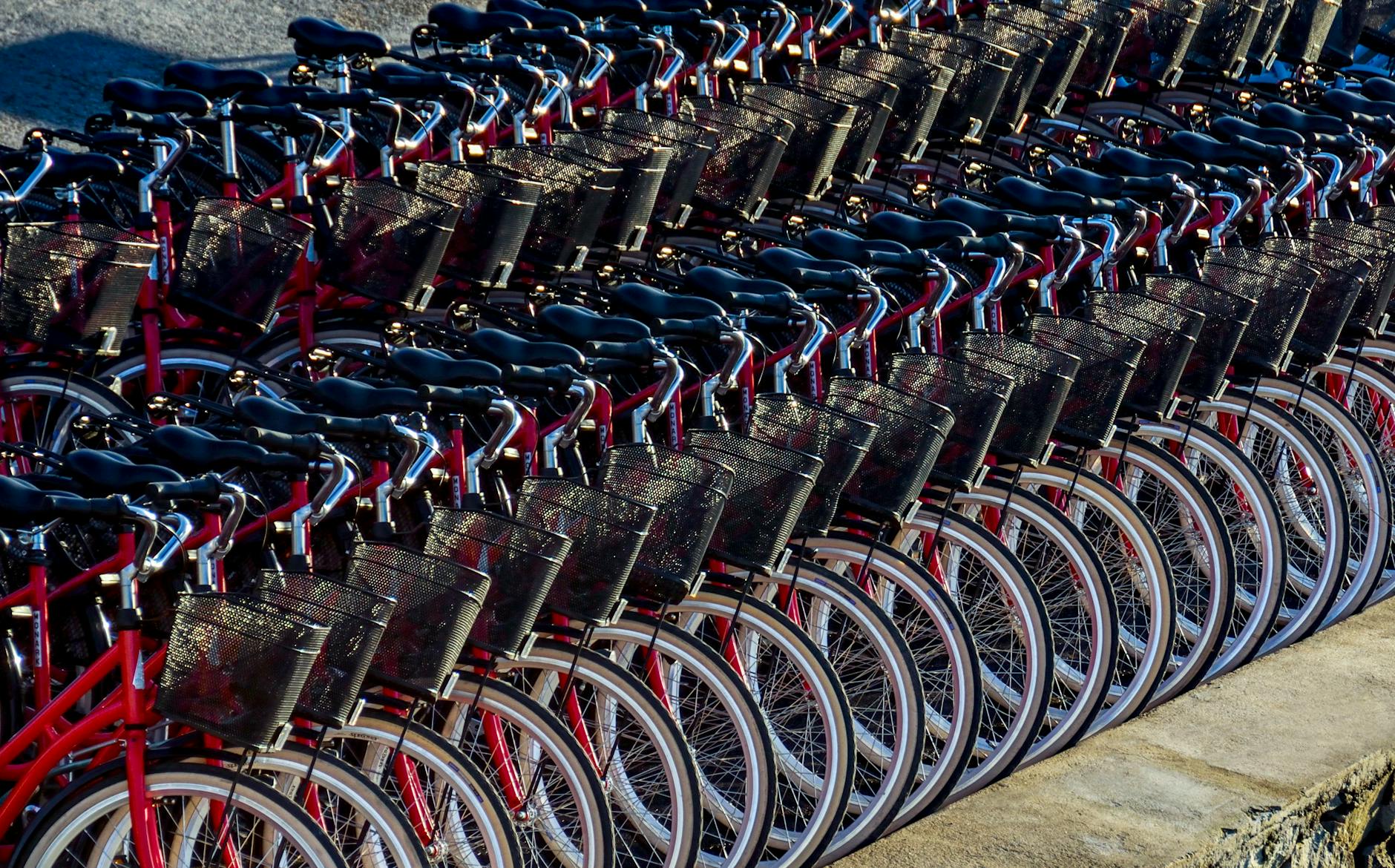
Transporting a bicycle may seem simple at first glance—load it, strap it down, and go. In reality, bikes are delicate machines built from lightweight components that are highly sensitive to pressure, vibration, and impact. A poorly secured bicycle can suffer from bent derailleurs, scratched frames, warped brake discs, or even structural cracks that are not visible at first glance.
Modern bicycles, especially road and mountain models made from carbon fiber or aluminum, are engineered for performance, not for being tossed around in a moving vehicle. Even steel frames, known for durability, are vulnerable when subjected to constant shaking or direct contact with hard surfaces. Beyond the financial value, there is also the emotional attachment many cyclists have to their bikes. Protecting them during travel is not an optional extra—it is essential.
Roof Racks – Stability with Height Considerations
One of the most common methods of transporting bikes is the roof rack system. Mounted to crossbars on top of the car, these carriers hold the bike upright and secure it via the frame, fork, or wheels. Roof racks are particularly popular among cyclists who travel frequently or carry multiple bikes.
The main advantage is stability. When properly installed, roof racks keep bicycles separated and reduce the risk of contact between them. However, they require careful loading. Lifting a bike onto the roof can lead to accidental drops if not done carefully. Additionally, forgetting about the added height can result in collisions with low garages or parking structures.
To maximize safety:
- Remove loose accessories such as water bottles and bike computers.
- Secure both wheels tightly.
- Double-check all clamps before driving.
- Avoid high speeds in strong crosswinds.
Regular inspection of the rack system is also important. Even small loosened bolts can compromise stability over longer journeys.
Rear-Mounted Carriers – Practical and Accessible
Rear-mounted bike racks, attached either to the trunk or the tow hitch, are often considered more convenient than roof systems. They eliminate the need for heavy lifting and make loading quicker and easier.
Trunk-mounted racks are usually lighter and more affordable, but they rely on straps and hooks that must be carefully tightened. Improper installation may cause the rack to shift while driving, leading to scratches on both the car and the bicycle.
Tow hitch racks provide greater stability and are often the preferred option for heavier bikes, including electric models. They typically support multiple bicycles and allow easy access to the trunk via tilting mechanisms.
When using rear carriers:
- Use additional straps to minimize movement.
- Add protective padding where frames might touch.
- Ensure brake lights and license plates remain visible.
Vibration is the biggest enemy during long trips. Even when bikes appear secure, micro-movements can gradually cause damage. Wrapping contact points with foam or cloth significantly reduces this risk.
Transporting Bikes Inside the Vehicle
For shorter trips or when maximum protection is required, placing the bicycle inside the car is often the safest solution. SUVs, vans, and larger station wagons allow bikes to be transported with minimal disassembly.
Before loading:
- Remove the front wheel.
- Lower the seat post if necessary.
- Place a protective blanket underneath.
- Secure the frame with straps to prevent shifting.
This method protects the bike from weather conditions such as rain, dust, or road salt. It also eliminates aerodynamic drag, which can increase fuel consumption when using external racks.
However, internal transport requires planning. Sharp braking can turn an unsecured bicycle into a dangerous projectile. Always fasten the bike using interior anchor points.
Using Bike Travel Cases for Air and Long-Distance Transport
Air travel introduces another level of complexity. Airlines often require bicycles to be packed in dedicated cases or boxes. Soft cases are lightweight and easier to store, while hard-shell cases offer superior protection against impacts.
Proper preparation includes:
- Removing pedals.
- Detaching handlebars.
- Lowering or removing the seat post.
- Deflating tires slightly.
- Protecting the derailleur with padding or removal.
Labeling components and keeping small parts in separate bags prevents confusion during reassembly. Bubble wrap, foam tubes, and frame protectors are inexpensive additions that make a noticeable difference.
Even for train travel or long-distance bus transport, a protective bag can shield the bike from accidental scratches and pressure.
Preventing Frame and Component Damage
The frame is not the only vulnerable part. Sensitive components such as:
- Disc brake rotors
- Rear derailleurs
- Carbon forks
- Hydraulic brake lines
are particularly prone to damage during travel.
A simple plastic spacer inserted between brake pads prevents accidental compression when the wheel is removed. A derailleur guard protects the most exposed and fragile part of the drivetrain. Small investments in protective accessories can save significant repair costs later.
If you are considering upgrading your equipment before a cycling trip, browsing seasonal offers at places like IwoBike can also be a smart way to prepare without overspending.
Weather Protection During Road Trips
When bikes are mounted externally, they are exposed to rain, dust, insects, and road debris. Over long distances, these factors accumulate and can affect performance.
After arriving at your destination:
- Clean the drivetrain.
- Inspect brake pads.
- Check tire pressure.
- Re-tighten bolts if necessary.
Using protective covers during heavy rain can help, although they may increase wind resistance. For gravel or winter driving, consider adding mudguards or temporary coverings around sensitive components.
Legal and Safety Considerations
Transporting bicycles is not only about protecting the equipment but also about complying with traffic regulations. In many countries, obscuring the license plate or tail lights can result in fines. Tow hitch racks often require an additional light board.
Weight distribution also matters. Overloading roof racks can affect vehicle stability, especially during sudden maneuvers. Always check the manufacturer’s maximum load capacity.
Security is another concern. When stopping at rest areas or hotels:
- Use a lock even if the bikes are mounted.
- Park in well-lit areas.
- Remove easily detachable accessories.
Bike theft during travel is unfortunately common. A solid lock and vigilance reduce risk significantly.
Quick Checklist Before Departure
A practical checklist ensures nothing is overlooked:
- Tighten all mounting points.
- Remove or secure loose parts.
- Protect frame contact areas.
- Verify visibility of lights and plates.
- Confirm total height if using a roof rack.
- Carry basic tools for adjustments.
Small oversights often cause the biggest problems. Spending an extra five minutes before departure can prevent hours of frustration later.
Long-Term Maintenance After Transport
Even when no visible damage appears, transportation places stress on a bicycle. After returning home, conduct a more thorough inspection. Check alignment, shifting performance, and brake response. Listen for unusual noises during the first ride.
If the bike was exposed to rain or winter conditions, dry it thoroughly and lubricate the chain. Moisture trapped inside components can lead to corrosion over time.
Transporting a bicycle safely requires preparation, attention to detail, and the right equipment. Whether traveling across town or across continents, securing your bike properly ensures it arrives ready for the next adventure rather than needing repairs. Careful handling preserves performance, extends lifespan, and keeps every journey focused on the ride itself rather than on unexpected setbacks.